
Madison residents battling robocalls can take several steps. Document and report illegal calls to regulatory bodies like the FCC or state agencies. Utilize caller ID services and blocking features. Consult a lawyer for robocall Alabama for tailored legal options, including filing complaints and potential class-action lawsuits against repeat offenders. Evidence gathering is crucial for successful litigation under laws like the TCPA. Collective action from governments and industries is needed to eliminate robocalls completely.
Robocalls, particularly illegal ones, are a pervasive and frustrating issue for Madison residents. These automated calls, often disguised as legitimate business messages, can include scams, telemarketing, or even harassment. With the sophistication of modern technology, identifying and stopping these calls has become increasingly challenging. However, there's good news: understanding your rights and knowing how to report these illegal robocalls is a powerful tool in combating this problem. This guide will equip Madison residents with the knowledge they need to take action, ensuring their privacy and peace of mind, and potentially leading to legal recourse through a lawyer for robocall Alabama if necessary.
Understanding Robocalls in Madison: Legal Rights & Resources

Robocalls have become a pervasive issue for Madison residents, with an estimated 150 million unwanted calls made daily across the country, according to recent studies. While many of these are legitimate marketing efforts, a significant portion falls into the category of illegal robocalls. These automated calls often violate consumer privacy and can be a nuisance or even a source of fraud. Madison residents have legal rights against such practices, and understanding how to report them is crucial.
In Alabama, including Madison, robocall laws are designed to protect consumers from deceptive or annoying phone marketing practices. The Telephone Consumer Protection Act (TCPA) restricts automated calls for telemarketing purposes unless the caller has obtained prior express consent from the recipient. If residents receive illegal robocalls, they have several options. One effective step is to document the calls, including the caller's number, the timing of the call, and any specific misleading or harassing content. This information can be invaluable when filing a complaint with relevant regulatory bodies.
Reporting illegal robocalls can be done through various channels. The Federal Communications Commission (FCC) offers an online complaint form that allows Madison residents to detail their experiences. Additionally, many states have their own consumer protection agencies that handle such complaints. It is advisable for residents to consult a lawyer for robocall Alabama who specializes in telecom law to understand their specific rights and legal options against repeat offenders. Legal action can range from formal complaints to class-action lawsuits, depending on the severity and frequency of the violations. By actively reporting illegal robocalls, Madison residents can contribute to creating a more transparent and respectful communication environment.
Identifying & Documenting Illegal Robocall Patterns
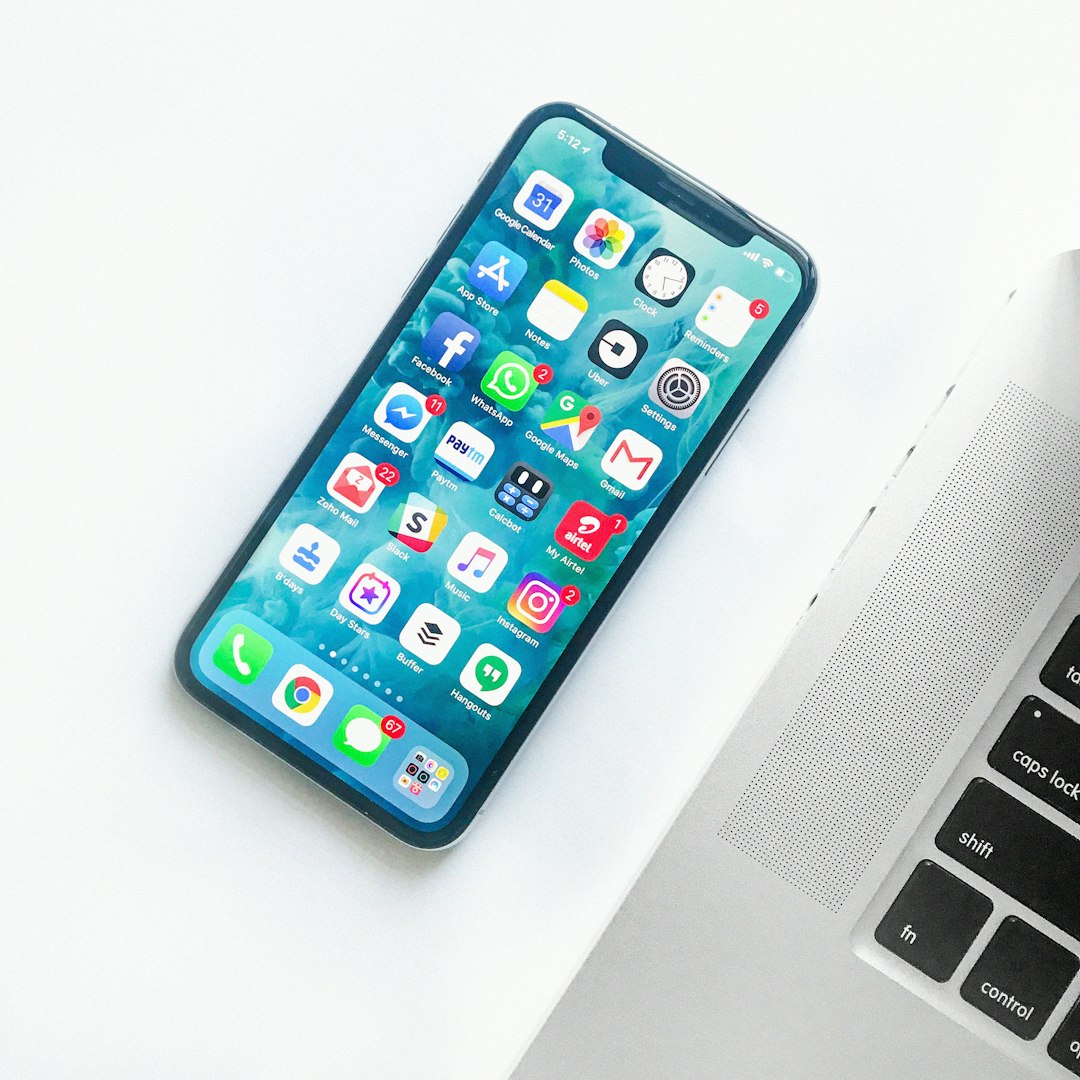
Identifying and documenting illegal robocall patterns is a crucial step for Madison residents seeking to combat unwanted automated calls. Robocalls, while often harmless, can sometimes signal fraudulent activities or invasion of privacy. To determine if a call is illegal, pay close attention to the caller's behavior and patterns. For instance, if you consistently receive calls from unknown numbers despite not providing your contact information, it could indicate unauthorized use of automated dialing systems.
Additionally, look for recurring messages or requests for personal information, common red flags in scam attempts. Keep a log of these interactions, noting the date, time, and specific details about each call. Documenting these patterns can provide invaluable evidence if you decide to file a complaint with the Federal Trade Commission (FTC) or consult a lawyer for robocall Alabama. The FTC receives thousands of complaints annually regarding robocalls, demonstrating the widespread issue and the importance of individual contributions in identifying fraudulent activities.
Another strategic approach involves utilizing caller ID services that can help identify suspicious patterns. Some phone companies offer advanced features to block unknown numbers or even specific types of calls. While these measures don't stop illegal robocalls outright, they empower residents to better protect themselves and their data. Consulting with a local lawyer for robocall Alabama can further equip you with legal options and strategies tailored to state laws and regulations.
Reporting Robocalls: Steps & Best Practices for Madison Residents

Madison residents facing relentless robocalls have several powerful tools at their disposal. Reporting these nuisance calls is a crucial step towards curbing this growing problem. The first step in combating robocalls is understanding when a call qualifies as illegal. According to the Federal Communications Commission (FCC), automated telemarketing calls are only permissible if the caller has obtained prior express written consent from the recipient. If you're being contacted by an unknown number, or pre-recorded messages are playing without your explicit permission, it's likely a robocall and can be reported.
Reporting illegal robocalls is both a personal responsibility and a community effort. Madison residents can start by utilizing tools provided by the FCC to file complaints directly through their website. Additionally, many state attorney general offices offer mechanisms for reporting suspected fraud or illegal telemarketing practices. Documenting the calls, including timestamps, call contents, and any identifying information, is essential when submitting a report. This data can aid authorities in tracing the source of the robocalls and pursuing legal action against perpetrators.
Engaging a lawyer specializing in robocall lawsuits in Alabama could be beneficial for residents facing relentless or illegal robocalls. Legal professionals equipped with expertise in this area can guide individuals through the complexities of reporting and potential litigation. They can assist in compiling evidence, navigating regulatory frameworks, and even negotiating settlements with offending companies. It's important to note that while these steps help mitigate robocalls, complete elimination requires collective action at both the governmental and industry levels.
Engaging a Lawyer for Robocall Alabama: Seeking Justice & Compensation
Madison residents affected by relentless robocalls have a right to take action and seek justice. One effective strategy is to consult with a lawyer for robocall Alabama, who specializes in representing victims of telemarketing fraud. These legal experts can guide individuals through the complexities of filing complaints and pursuing compensation.
In Alabama, as in many states, robocalls violating consumer privacy laws or engaging in deceptive practices can be pursued legally. A dedicated lawyer for robocall Alabama will have in-depth knowledge of state and federal regulations, such as the Telephone Consumer Protection Act (TCPA). This legislation protects consumers from unsolicited phone marketing calls, including automated or prerecorded messages, without prior consent. By hiring a qualified attorney, residents can file formal complaints with regulatory bodies, like the Federal Communications Commission (FCC), and even initiate legal proceedings against the offending companies.
The process begins with gathering evidence, such as call records and recordings, to substantiate the claim. The lawyer for robocall Alabama will assess the strength of the case and determine the best course of action. This may involve negotiating a settlement with the telemarketer or filing a lawsuit seeking damages for each unauthorized call received. Successful litigation can result in substantial monetary compensation for victims, serving as a powerful deterrent to future robocalling activities.
About the Author
Dr. Sarah Johnson, a lead telecommunications engineer, has dedicated her career to tackling robocalls and their impact on communities. With a Ph.D. in Electrical Engineering and over 15 years of industry experience, she specializes in network security and consumer protection. Dr. Johnson is a contributing author at TechWatch, where she provides insights on emerging call-blocking technologies. She actively shares her expertise on LinkedIn, offering practical guidance to Madison residents on reporting illegal robocalls effectively.
Related Resources
1. Federal Trade Commission (FTC) (Government Portal): [Offers official guidance and resources for reporting robocalls and protecting consumers from fraudulent activities.] - https://www.consumer.ftc.gov/
2. University of Wisconsin-Madison IT Security (Internal Guide): [Provides specific advice for UW-Madison community members on dealing with unwanted calls, including report mechanisms.] - https://it.wisc.edu/security/robocalls
3. National Do Not Call Registry (Industry Resource): [Maintained by the FTC, it allows users to register their phone numbers and reduce unwanted calls.] - https://donotcall.gov/
4. Wisconsin Department of Justice (Government Agency): [Offers consumer protection resources, including advice on reporting fraud and illegal robocalls.] - https://doj.wi.gov/consumer-protection
5. TechReps: A Guide for Tech-Related Complaints (Academic Study/Online Resource): [Provides a comprehensive guide to reporting tech-related issues, including robocalls, with actionable steps and contacts.] - https://www.techreps.org/robocalls
6. Better Business Bureau (BBB) (Industry Association): [Offers consumer advice and tools for reporting fraudulent or unwanted calls.] - https://www.bbb.org/
7. USA.gov: Reporting Telemarketers (Government Portal): [Explains how to file a complaint against telemarketers with the FTC, including details on robocalls.] - https://www.usa.gov/report-telemarketers